


Inside Fishing Gear Recovery & Marine Debris with “Ocean Garbage Fella” Fritz McGirr
January 31, 2026
Apple Podcasts | Spotify
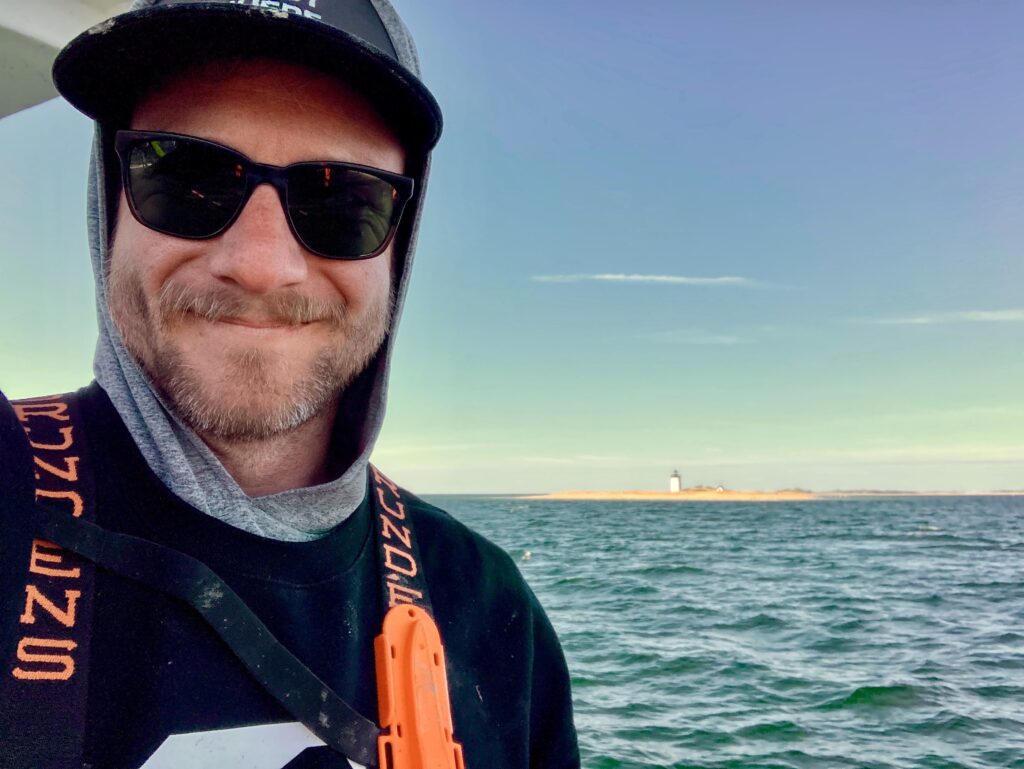
In this episode, I sit down with Fritz McGirr, a former full-time touring musician who made a major career pivot into marine biology. Fritz shares how volunteering at the New England Aquarium and completing Northeastern University’s Three Seas master’s program helped him transition from life on the road to working hands-on in ocean conservation.
Today, Fritz works with the Center for Coastal Studies (CCS) in Provincetown, Massachusetts. He focuses on marine debris and plastics, specifically ghost gear, which is also known as ALDFG (Abandoned, Lost, or Otherwise Discarded Fishing Gear). We dive into what his work actually looks like day to day, both in the field and at home on his computer.
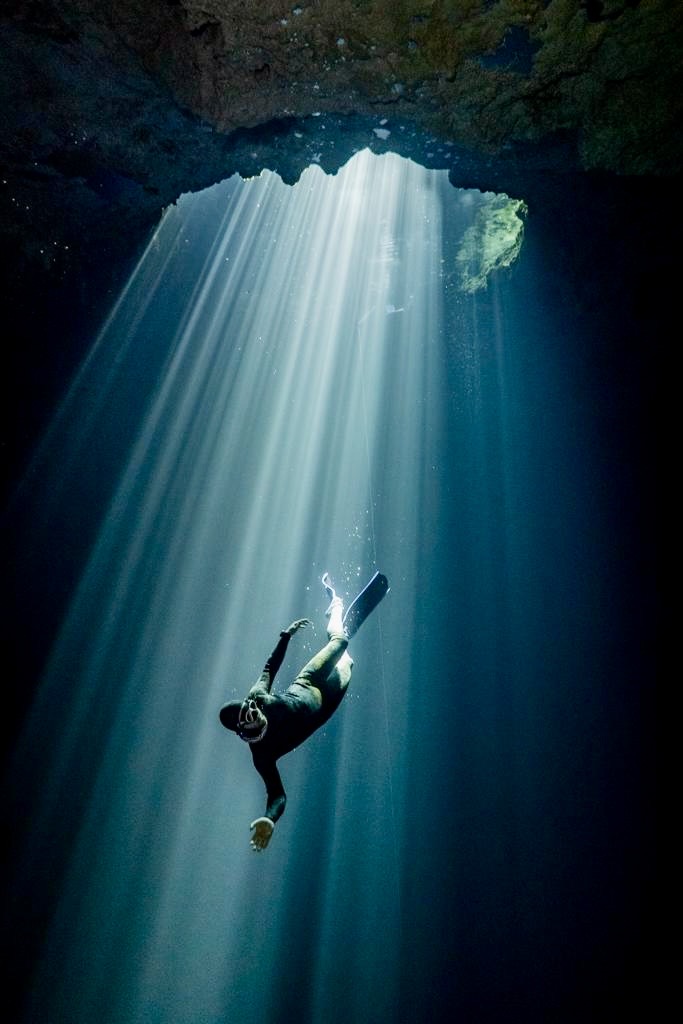
We also talk about freediving, how conservation data can directly influence policy and real-world change, and why cleaning up pollution has to go hand-in-hand with cutting it off at the source. Fritz shares realistic, imperfect ways individuals can reduce plastic use in their own lives, as well as what’s giving him genuine hope for the future of the ocean right now.
What You’ll Learn in This Episode
- How Fritz went from touring percussionist to marine biologist
- What the Three Seas master’s program is (and who it’s best for)
- What ALDFG (“ghost gear”) is and why it’s such a big ocean problem
- How CCS finds and recovers lost lobster traps (sonar, fisherman intel, and grappling grids)
- Why lost traps can keep “fishing,” and what researchers record when they pull them up
- The role of escape vents and why they often fail in real-world conditions
- How right whale protections shape seasonal fishing closures in Massachusetts
- Why recycling is complicated, and what choices actually reduce plastic
- A positive ocean update tied to Boston Harbor!
Small Ways to Help the Ocean, as recommended by Fritz!
- Choose glass when you can (ex: glass jar peanut butter vs plastic)
- Reduce single-use cups (many “paper” cups are plastic-lined)
- Buy bulk with reusable containers when possible
- Support businesses and policies that reduce plastic at the source
Links & Resources
- Follow Fritz McGirr on Instagram: https://www.instagram.com/fritzmcgirr
- Center for Coastal Studies: https://coastalstudies.org
- East Coast Divers: https://www.ecdivers.com
- New England Aquarium: https://www.neaq.org
- Northeastern University – Three Seas Program: https://graduate.northeastern.edu/program/master-of-science-in-marine-biology-three-seas-boston-ma/
- Massachusetts Division of Marine Fisheries: https://www.mass.gov/orgs/division-of-marine-fisheries
- NOAA Marine Debris Program: https://marinedebris.noaa.gov
- North Atlantic Right Whale Info (NOAA): https://www.fisheries.noaa.gov/species/north-atlantic-right-whale
Add your voice!
I’d love to hear your thoughts on this episode. Leave a comment below and tell me how you’re going to take something you learned in this conversation and turn it into action 🌊
