What a Summer of Interviewing Recreational Fishers Taught Me About Conservation
January 29, 2026
Apple Podcast | Spotify
What does conservation actually look like on the ground or on the water?
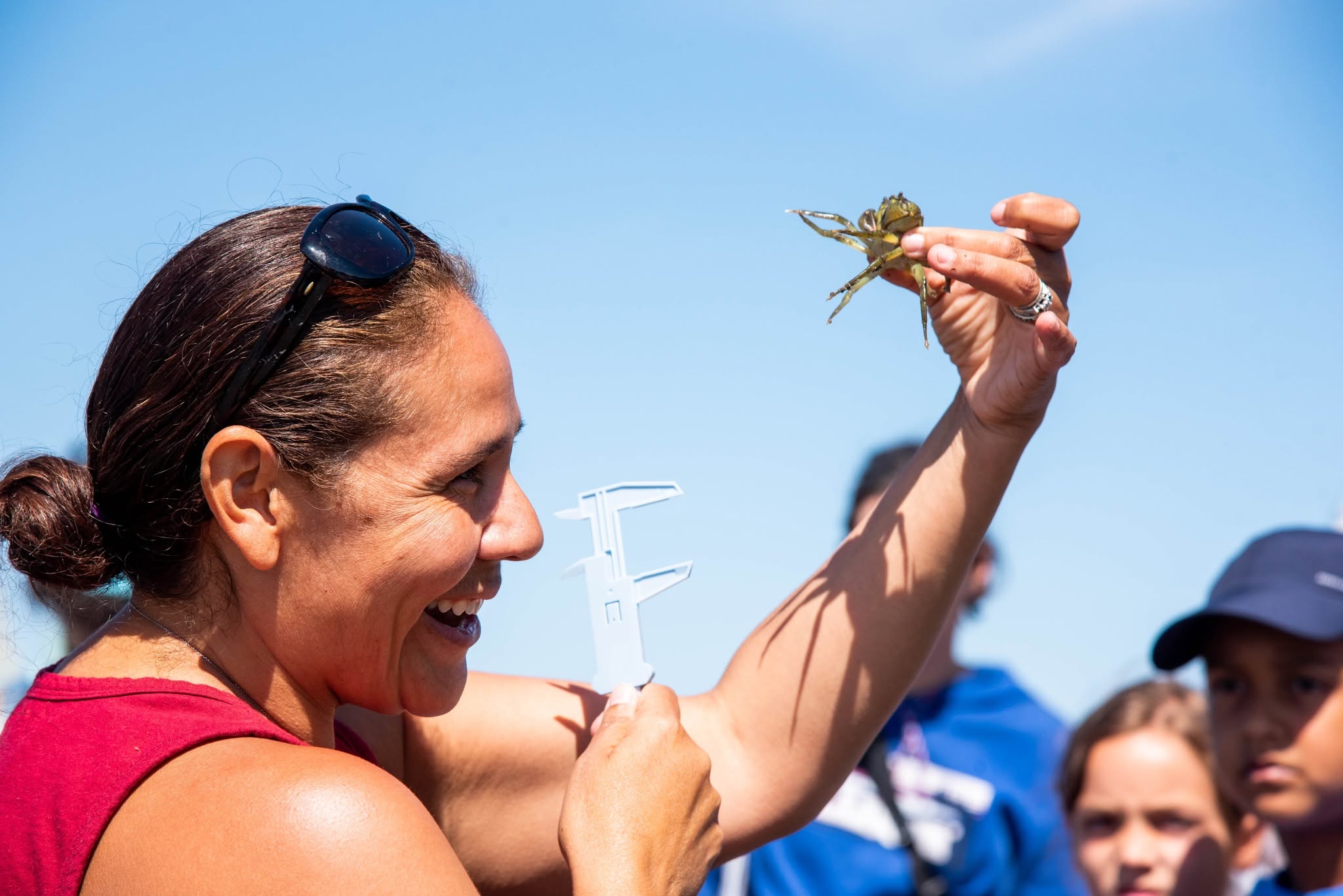
In this episode, I’m diving into what I learned during a summer working in the field with recreational saltwater fishers in Rhode Island. What began as a data collection job quickly turned into a masterclass in everyday conservation, stewardship, and the power of paying attention.
From unofficial “data collectors” on the docks, to generational fishing stories, to the role of joy in protecting nature, this episode explores how care for the ocean often shows up quietly through habit, connection, and lived experience.
Whether you’re a fisher, diver, beachgoer, or simply someone who loves the natural world, this episode offers a hopeful, human-centered look at conservation beyond headlines and policy.
What You’ll Hear in This Episode
- What the Access Point Angler Intercept Survey (APAIS) is and how it informs fisheries management
- How recreational fishers act as unofficial data collectors through long-term observation
- Why conservation starts with paying attention, not policy
- How connection creates responsibility for natural spaces
- Why stewardship isn’t loud, but habitual
- How conservation values are passed down through culture, stories, and generations
- Why joy fuels protection and makes conservation more hopeful and effective
Key Lessons from the Field
1. Conservation Starts with Paying Attention
Spending consistent time in nature reveals changes, patterns, and warning signs that one-time visits never show. Observation is the foundation of care.
2. People Protect What They Feel Connected To
When a place feels like home, responsibility naturally follows, from picking up trash to advocating for healthier ecosystems.
3. Stewardship Isn’t Loud, It’s Habitual
Most conservation happens quietly through everyday actions, curiosity, compliance with regulations, and consistent care.
4. Conservation Is a Cultural Story
Fishing traditions pass down not just skills, but values. Stories, not statistics, often shape how people understand environmental change.
5. Joy Fuels Protection
Positive emotional experiences in nature create attachment, and attachment inspires people to protect what they love.
Organizations, Programs, & Terms Mentioned
- Rhode Island Department of Environmental Management (RIDEM)
- Division of Marine Fisheries (Rhode Island)
- Access Point Angler Intercept Survey (APAIS)
- Learn more about fisheries Stock Assessments
- Learn about fisheries management tools such as bag limits, slot limits, seasonal closures, and more
What are your thoughts?
What place makes you feel most connected to nature? And what’s one small, everyday way you can show up for it?
If this episode resonated with you…
- Share it with someone who loves the outdoors, fishing, diving, hiking, or ocean spaces
- Reach out and share your own story about a place, especially an ocean place, that you feel deeply connected to
Conservation doesn’t start with having all the answers. It starts with noticing, caring, and choosing again and again to protect the things that bring us joy.

« Previous Post
Next Post »
Leave a Reply
Latest Episodes
catch up on the