

Sustainable Seafood 101: 4 Simple Tips to Make Better Choices at the Seafood Counter
June 30, 2026
Apple Podcasts | Spotify
Sustainable seafood is a complicated topic, no matter how you slice it (pun intended?) I’ve spent a lot of time researching it, and I still find it confusing. So in this episode, I’m sharing a beginner’s guide to eating more sustainable seafood. These are low-effort, practical tips that compound over time, especially if you eat fish regularly. You don’t need a marine science degree to make better choices at the seafood counter. You just need a few simple things to look for.
This episode is for you if…
You love seafood but feel overwhelmed at the counter. Or maybe you want to eat more sustainably without totally overhauling your whole diet. Or maybe you grab the same fish each week at the store without really knowing why.
If this sounds familiar, don’t fret! I find myself in the same place sometimes as well. In this episode, you’ll learn:
- Why eating local makes seafood more traceable, fresher, and lower-impact
- What it means to eat “low on the food chain” and why it matters for ocean sustainability
- The three eco-labels worth knowing (and their limits)
- Why ocean plants like seaweed deserve a place on your plate
- One easy swap you can make as soon as this week
I get honest about how complicated sustainable seafood really is. Greenwashing, opaque supply chains, and labels that don’t tell the whole story make it hard even for someone who studies this for a living. My goal here isn’t to overwhelm you; it’s to simplify. Together, let’s create a few low-effort habits that, over time, genuinely help the ocean.
Tip 1: Eat Local
Seafood that’s caught and processed close to home travels a shorter distance, which means a smaller carbon footprint and a much more traceable supply chain. I explain that where a fish is caught and where it’s processed aren’t always the same place, something worth asking your fishmonger directly.
I also connect eating local to eating seasonally, and share a simple action item: ask what’s local at the counter, or Google your state or region’s local seafood for a quick starting point.
Tip 2: Eat Low on the Food Chain
The higher up an animal sits on the food chain, the more energy and resources it takes to exist. Choosing lower-trophic seafood draws less from ocean ecosystems overall.
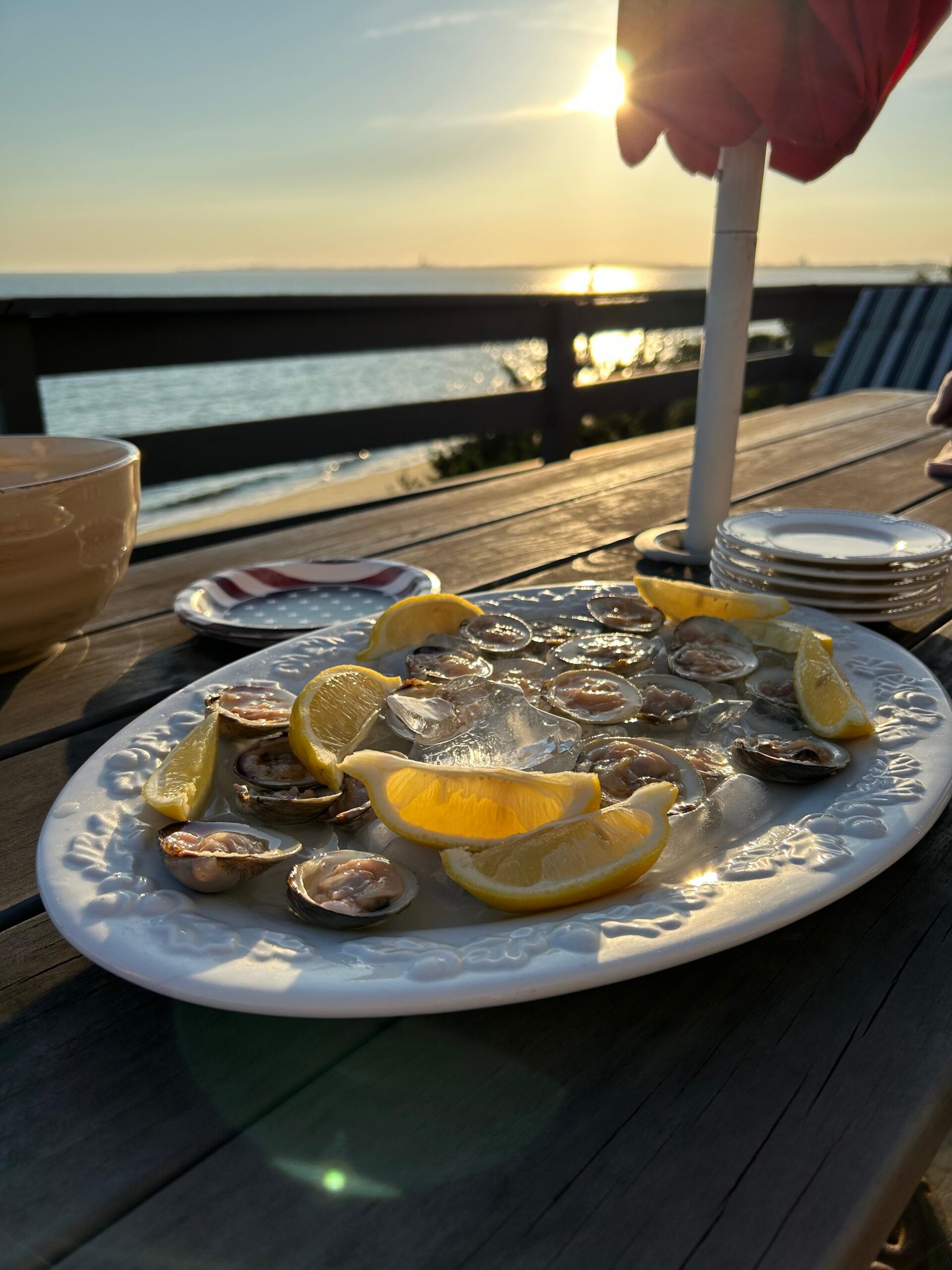
I talk about why filter-feeding bivalves like oysters, mussels, clams, and diver-caught scallops are some of the most sustainable seafood on the planet since they require no feed inputs and actually improve water quality as they grow.
Small pelagic fish like sardines, anchovies, and mackerel are also excellent, underrated choices, in contrast to slower-reproducing predators like tuna, swordfish, and shark, which carry a much higher sustainability cost.
Tip 3: Look for Eco-Labels (MSC, ASC, BAP)
I walk through three main certifications: the Marine Stewardship Council (MSC) for wild-caught fisheries, the Aquaculture Stewardship Council (ASC) for farmed seafood, and Best Aquaculture Practices (BAP), which uses a star rating across the full farmed seafood supply chain.
All three require independent third-party audits, making them a meaningful (if imperfect) shortcut when I don’t have time to do my own research. I’m honest about their limitations, too. Certification costs money, so a missing label doesn’t automatically mean a fish is a bad choice.
Tip 4: Eat More Ocean Plants
Seaweed and sea vegetables like kelp, nori, and wakame require no feed, fresh water, fertilizer, or land, and some species even help absorb excess nutrients or sequester carbon.
I share my own favorites, including a seaweed snack brand I’m currently obsessed with, and talk about regenerative ocean farming as a growing, genuinely exciting space worth paying attention to.
Bonus Tip: Make One Easy Swap
Here’s a simple swap you can try as early as this week: if your go-to is an autopilot white fish fillet, look into what’s most local to you instead.
And if you love salmon, give Arctic char a try. It’s a close relative that’s typically farmed in land-based, closed-containment systems with a meaningfully lower environmental footprint, while tasting nearly identical. It’s my personal favorite swap.
Small, repeatable swaps like these add up fast. One better choice a week comes out to 52 a year!
Links Mentioned
- The Ocean of Life by Callum Roberts
- Marine Stewardship Council (MSC)
- Aquaculture Stewardship Council (ASC)
- Best Aquaculture Practices (BAP)
- Seafood Watch
- Gimme seaweed snacks
Enjoyed This Episode?
If this episode helped you feel a little more confident at the seafood counter:
⭐ Leave a rating and review on Apple Podcasts, Spotify, or YouTube — it’s the single biggest thing that helps people find the show.
💬 Share this episode with a seafood-loving friend who’s also wondering what the heck to buy.
🌊 Follow the show so you never miss an episode.
And come hang out with me on Instagram! I’d love to hear what you thought of this episode!

