5 Reasons You Should Learn to Scuba Dive If You Want to Work in Marine Science & Conservation
June 6, 2026
Apple Podcasts | Spotify
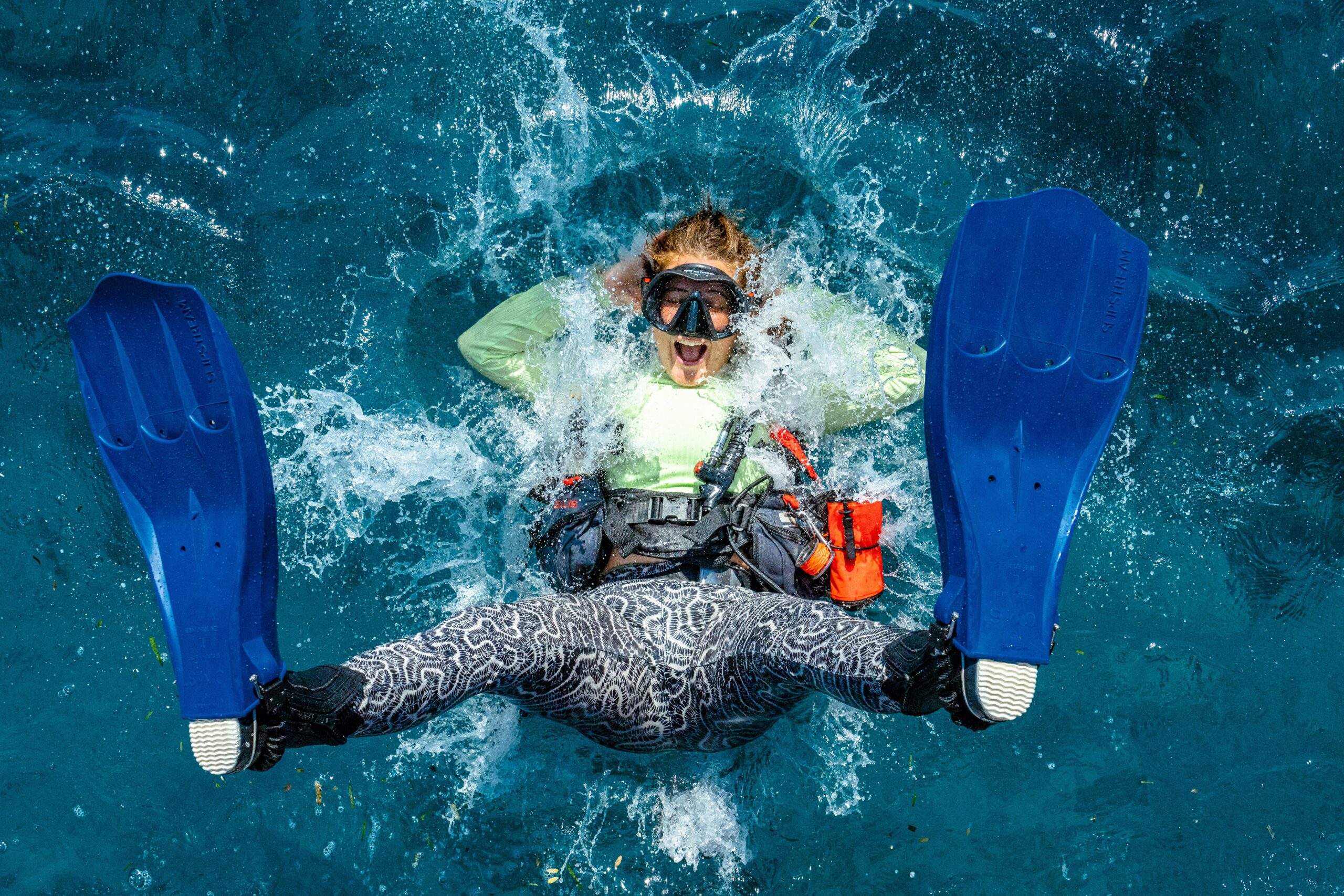
I learned to scuba dive a little bit on a whim, and a couple of months later I had applied to a graduate program in marine conservation. That’s how fast it changed everything for me. Fast forward to now and I’m a PADI dive instructor freshly back from Gili Trawangan, where I got to certify students and watch them come up from their very first dive shrieking with joy.
In this episode, I make the case that learning to dive might be one of the single most transformative things you can do if you want to work in marine science and conservation, not because it’s required (although for many roles, it actually is), but because of what happens to you when you finally get under the surface. I’m talking about why “becoming a fish” rewires the way you observe the natural world, the passive education that happens every time you get in the water, the field skills that quietly stack up on your resume, and why being underwater might be the single best antidote to burnout in this field.
I also get into how to actually get started, which specialty courses are worth your time, and why you definitely don’t need to live somewhere tropical to make this happen.
This one is for anyone who’s been thinking about getting their open water, anyone who already dives recreationally but hasn’t connected it to a career yet, or anyone who’s loved the ocean from the couch and is ready to finally get in. 🌊
So here are five reasons why you should learn to dive if you want to work in marine science and conservation:
1. The best way to observe a fish is to become a fish
Jacques Cousteau said it first, and I couldn’t agree more. Ocean ecosystems are fundamentally different from ones on land. Wildlife underwater is often curious rather than fearful, and the encounters you can have when you’re actually in the water column are nothing like what you’ll get from a boat or a beach. I talk about how diving puts you in this meditative, observant headspace that sets you up to notice predator-prey dynamics, behavioral patterns, and species interactions you’d otherwise completely miss. Observation leads to caring, and caring leads to action! And becoming a fish is genuinely the fastest path I know of from one to the other.
2. Education just happens when you’re underwater
This might be my favorite thing about diving. You don’t have to try, you just learn. Every dive becomes a lesson in the field. You start understanding currents, weather patterns, species habitats, symbiotic relationships, and reef dynamics passively, just by being there. I share the story of seeing two cuttlefish mating on a dive (still one of the most mind-blowing things I’ve ever witnessed), and how that kind of in-context learning has an emotional weight that no documentary or lecture can come close to.
3. For many marine science roles, diving isn’t optional
If you want to do field research, habitat monitoring, reef restoration, or really any underwater work, you’re going to need certifications, and not just your open water. Employers and programs increasingly expect advanced certifications, experience in varied conditions, and a meaningful number of logged dives. I share the story of getting rejected from a position because I had fewer than 100 dives at the time, and why there’s genuinely no shortcut to building that experience. The earlier you start, the better.
4. The transferable skills are so real
Diving teaches you situational awareness, safety and risk management, and how to multitask under pressure (literally) in ways that translate directly to field work, lab work, and even stakeholder engagement. You learn to read conditions, make judgment calls, run buddy checks, manage equipment, and stay calm when things get uncertain. I also talk about my obsession with spotting nudibranchs and why that kind of trained-eye observation is exactly the skill that makes someone an effective field scientist.
5. Nothing keeps you going like being underwater
Marine conservation is underfunded, slow-moving, and at times genuinely discouraging. Being an optimist is required for this work, and that takes a toll. Being underwater, for me, is the antidote. It’s meditative, it’s reconnecting, and I’ve truly never met a diver who came up from a dive feeling less motivated to help the ocean. If you want a career that lasts in this field, you need something that keeps you in love with what you’re fighting for.
How to Get Started Scuba Diving
I chat about how to actually get started, the open water course, the difference between PADI and SSI, why choosing a great instructor matters more than the certifying agency for most people, and how to log your dives like a field log so you have a real record of your progress. I share my favorite specialty courses for conservation-minded divers, the citizen science programs worth getting involved with (REEF, Reef Check, CoralWatch), and why your dive education and experience absolutely belong on your resume. And finally, I give you a little push to stop waiting until you feel ready, because you never will.
Links Mentioned
Certifying Organizations
Citizen Science & Volunteer Opportunities
Specialty Courses Worth Looking Into
Enjoyed This Episode?
If this episode resonated with you, please consider:
⭐ Leaving a rating and review on Apple Podcasts, Spotify, or YouTube — it’s the single biggest thing that helps people find the show.
💬 Sharing it with one friend who’s been talking about wanting to do something for the ocean.
🌊 Following the show so you don’t miss the next episode.
And come hang out with me on Instagram! I’d love to hear what landed for you in this one.

« Previous Post
Next Post »
Leave a Reply
Latest Episodes
catch up on the