The Narragansett Bay Is Healthier Than It’s Been in Decades, and Baykeeper Chris Dodge is Fighting to Keep It That Way
August 2, 2026
Apple Podcasts | Spotify
There’s a stretch of the Lower Providence River that was closed to shellfishing since before World War II. Only a couple of years ago, it reopened. Today, roughly half of all the quahogs harvested in Rhode Island come out of that one comeback. So what actually changed?
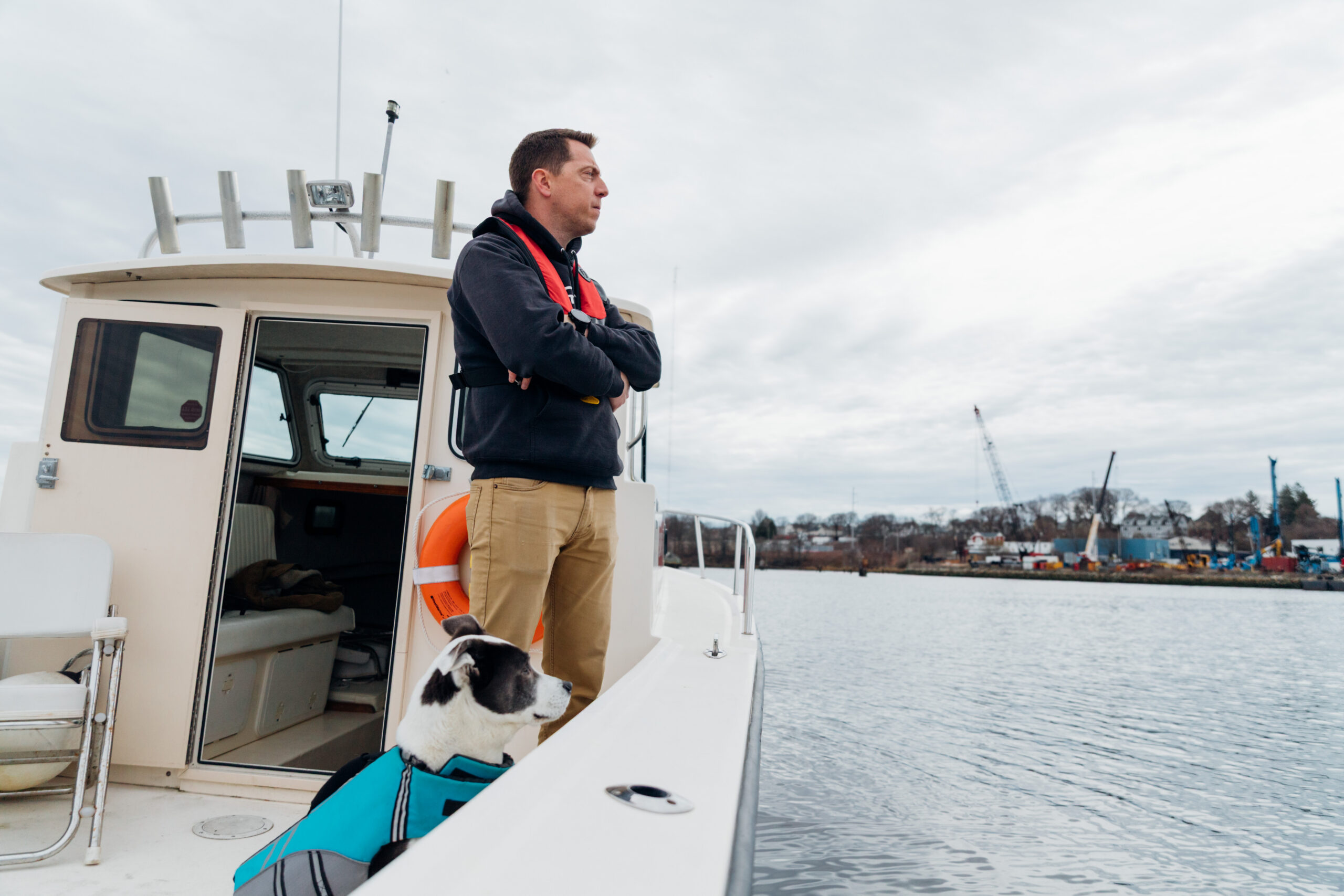
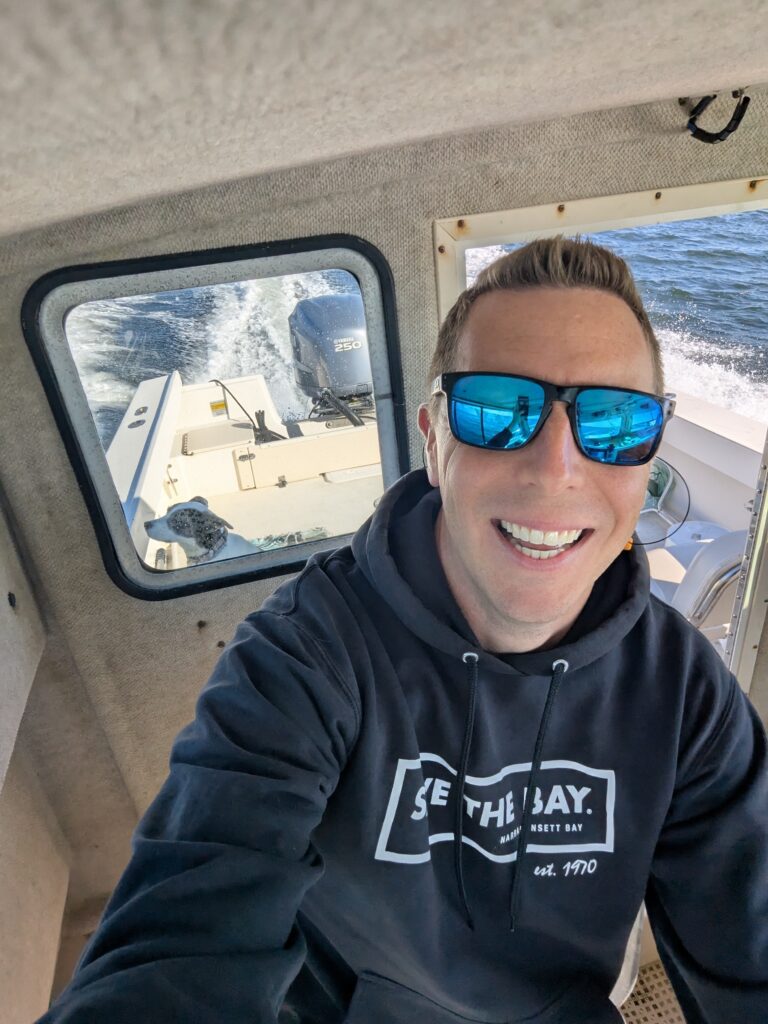
I sat down with Chris Dodge, the Narragansett Baykeeper (one of only about 300 Waterkeepers on the entire planet) to find out how a bay that was written off for the better part of a century started coming back to life, and what it takes to keep it that way. Spoiler: it’s a lot more hopeful than the headlines usually let on.

About Chris Dodge
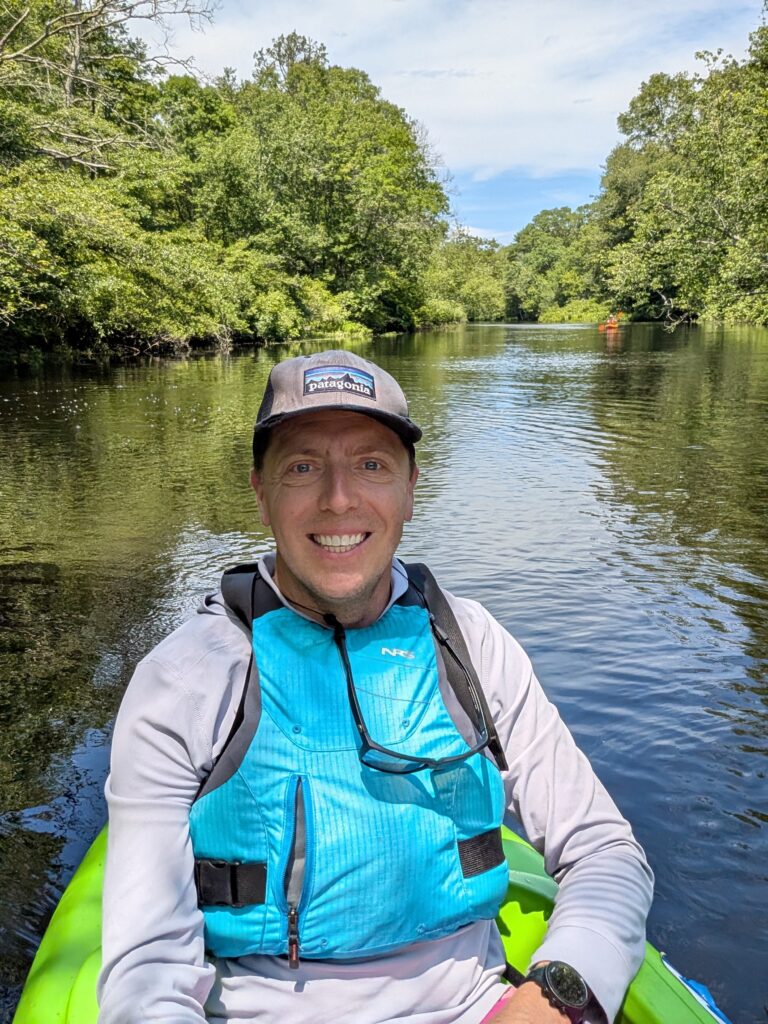
Chris Dodge serves as the Narragansett Baykeeper, a Waterkeeper Alliance member position, for Save The Bay in Rhode Island. He fell for marine science young, exploring Connecticut’s Long Island Sound coast, Cape Cod Bay in Wellfleet, and the beaches of Long Beach Island in New Jersey.
He holds a BS in Marine Vertebrate Biology from Southampton College of Long Island University and an MS in Biology from Southern Connecticut State University, where he went on to teach as adjunct faculty for two and a half years.
Before stepping into the Baykeeper role, Chris spent nearly two decades in on-the-water marine science education. From 2007 to 2017, he worked with Project Oceanology in eastern Long Island Sound, and from 2018 to 2025 with Save The Bay’s education team in Narragansett Bay.
He’s a US Coast Guard 100-Ton Master of Inland Waters captain and has run research and education vessels since 2011. His love of local sustainable seafood led him to the Board of Directors of Eating with the Ecosystem, a small nonprofit focused on New England’s wild-caught fisheries.
When he’s not on the water, you’ll find him hiking New England’s 4,000-footers or canoe camping on the Connecticut River with his dog, Naia. Follow his weekly beach-closure and water-quality updates on Instagram at @narrabaykeeper.
In this episode, we get into…
- What a “Baykeeper” actually does all day, and why the job can be something completely different from one morning to the next
- The surprising reason Rhode Island residents often have no way of knowing when raw sewage is discharged into the water they’re swimming in
- Why a single clam can turn into what Chris calls a “biomagnified bomb of bacteria,” and what that means for your next raw-bar order
- The 3-mile tunnel buried hundreds of feet under downtown Providence that almost nobody knows exists (and why it matters so much)
- How more than half of Narragansett Bay’s watershed sits in Massachusetts, and why that complicates everything
- What Chris tells anyone who wants to break into marine conservation but feels shut out by the big-name orgs
- The one thing that’s kept him “eternally optimistic” after eighteen years in this work
Lessons from My Chat with Chris
Knowing your local water is a form of power.
One of the threads running through our whole conversation is how much of Chris’s job depends on ordinary people who know a body of water intimately, those who notice when something looks off and pick up the phone.
There are only about forty people employed at Save The Bay, and they can’t be everywhere. We get into why that local, ground-level attention is one of the most valuable tools in conservation, and how it’s shaped the way Chris thinks about public awareness and the right to know what’s happening in your own backyard.
The Bay’s biggest comeback proves big problems are fixable.
The reopening of that pre-WWII shellfishing ground didn’t happen by accident. It was the payoff of a massive, expensive, decades-long public project that most Rhode Islanders have never heard of.
Chris walks through what made it possible, and why he sees it as evidence for a bigger claim: that when people understand a problem and get behind a fix, the impossible becomes possible. I’ll let him tell you what that fix actually was.
If you want in, start small and start local.
When I asked Chris for advice for anyone trying to get into this field, he made the case for the smaller, hyper-local organizations that need help most. He explained why getting your hands dirty there tends to give you faster wins, a real sense of progress, and the kind of hook that keeps you in conservation for the long haul.
Connect with Chris
- Follow @narrabaykeeper on Instagram — Chris’s weekly beach-closure and bacteria updates
Links from the Episode
- Save The Bay — volunteer, donate, or explore the grounds on the Providence–Cranston border
- Follow Save The Bay on Instagram
- The International Waterkeeper Alliance
- Rhode Island Department of Health beach-monitoring / beach viewer website
- Narragansett Bay Commission
- Save The Bay’s Aquarium in Newport
Enjoyed This Episode?
Did this episode resonate with you? Help the show reach even more ocean lovers!
⭐ Leave a rating/review/comment on Apple Podcasts, Spotify, or YouTube — it’s the single biggest thing that helps people find the show.
💬 Share it with one friend who’s been talking about wanting to do something for the ocean.
🌊 Follow the show so you don’t miss the next episode.
And come hang out with me on Instagram! I’d love to hear what you thought of this episode!

« Previous Post
Next Post »
Leave a Reply
Latest Episodes
catch up on the